
Outdoor
Bouldering
Last updated: 15 March 2025
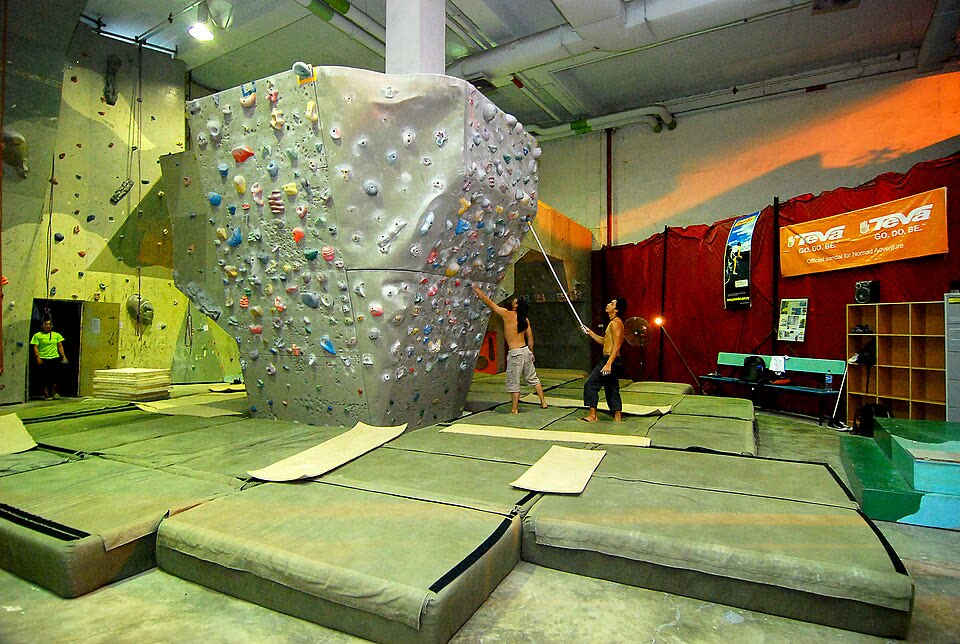
How it works
Bouldering is climbing short routes (boulders) without ropes or harnesses, typically 3–5 meters (12–15 feet) high. Climbers rely on crash pads and spotters for safety. Routes (problems) are graded by difficulty (e.g., V0–V17 in the Hueco scale). Success depends on finger strength, body tension, footwork, and reading the sequence of moves. Indoor gyms use colored holds or tape to define problems; outdoor bouldering uses natural rock. Each attempt is a puzzle: finding the right body position, grip, and sequence to reach the top. Climbing is skill-dependent, not just strength-dependent.[1][2]
How to learn
Visit a bouldering gym and rent shoes. Wear comfortable workout clothes. Start on the easiest problems (V0–V1) to learn basic movement: use your legs to push, keep arms straight when possible, and look for good footholds. Practice falling safely—land on your feet, roll back, never catch yourself with your arms. Climb 2–3 times per week with rest days for finger recovery. Watch stronger climbers and ask for beta (advice on sequences). Gradually try harder grades. Consider a basic climbing course or technique clinic. Start with problems that look fun.[1][2]
References
- Climbing – Beginner's Guide to Climbing: https://www.climbing.com/skills/beginners-guide-rock-climbing-how-to-belay-lead-train
- Climbing – First Time Indoor Climbing: https://www.climbing.com/gym-climbing/indoor-rock-climbing/
Products you might need
As an Amazon Associate we earn from qualifying purchases.