
Outdoor
Hiking
Last updated: 19 September 2025
How it works
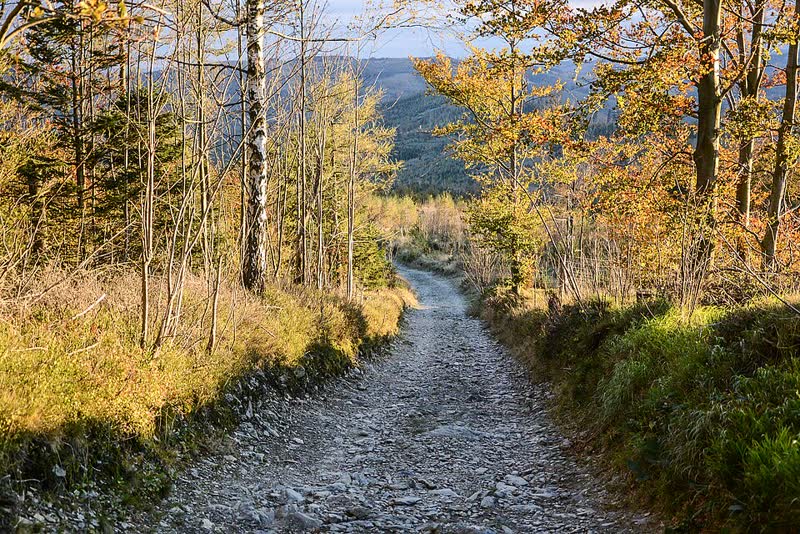
Hiking is walking on trails or natural terrain, usually with a small pack carrying water, food, and safety items. Pace is slower than road running because of elevation, uneven ground, and stops to navigate or enjoy views. Good hikers match effort to conditions: shorter steps uphill, careful footing on roots and rocks, and regular water breaks. Trail difficulty is often rated easy, moderate, or strenuous based on distance, elevation gain, and surface. Weather, daylight, and route-finding matter as much as fitness.[1]
How to learn
Start with a well-marked local trail under 5 km with modest elevation. Wear broken-in shoes with grip, bring a liter of water, snacks, and a phone with a downloaded map. Tell someone your route and expected return time. Walk at a conversational pace and turn back while you still feel strong. Build distance gradually and add a light daypack before trying harder trails. Learn to read trail blazes and basic map symbols. Join a local hiking group or park-led walk for company and route advice.[1][2]
History
People have walked long distances for trade, pilgrimage, and exploration for millennia. Modern recreational hiking grew with 19th-century Romantic interest in nature and the expansion of national parks and marked trail systems in the 20th century.[2]
References
- Wikipedia – Hiking: https://en.wikipedia.org/wiki/Hiking
- U.S. National Park Service – Hiking safety: https://www.nps.gov/articles/hiking-safety.htm
Products you might need
As an Amazon Associate we earn from qualifying purchases.