
Arts
Painting
Last updated: 15 March 2025
How it works
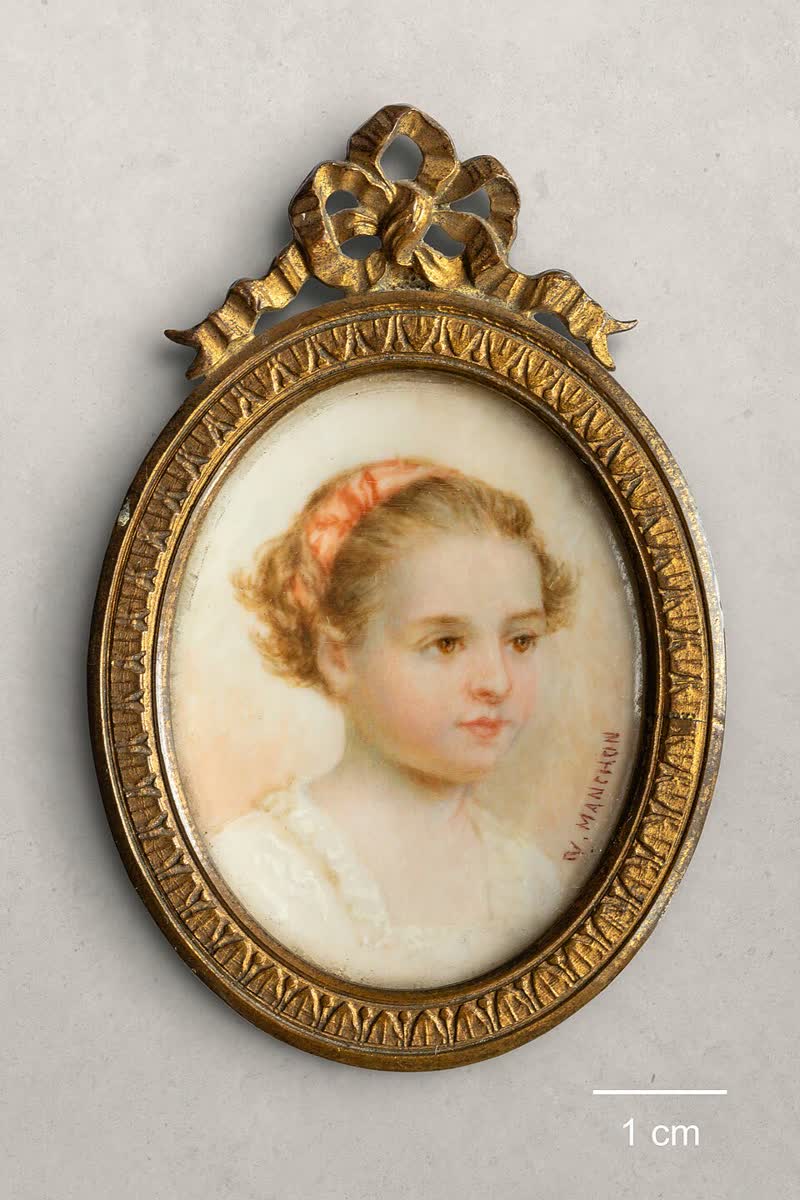
Painting is applying pigment (paint) to a surface—canvas, paper, wood—using brushes, knives, or other tools. Different media include oils, acrylics, watercolor, and gouache. Each has distinct properties: oils dry slowly and blend well; acrylics dry fast and are versatile; watercolor is transparent and fluid; gouache is opaque water-based paint. Composition, color theory, and value (light/dark) shape the final image. Artists often work from light to dark or block in large shapes first, then add detail. Supports evolved from rock to canvas; oil painting emerged in 15th-century Europe and enabled the Renaissance explosion of Western art.[1][2]
How to learn
Choose one medium to start (acrylics are forgiving for beginners—water-based, non-toxic, easy cleanup). Learn basic color theory (primary, secondary, complementary colors) and value scales. Practice mixing colors and brush control on cheap paper or canvas boards. Follow step-by-step tutorials or take a local or online course. Copy masterworks to understand technique. Paint from life (still life, landscapes) and from reference photos. Build a habit of painting regularly; improvement comes with volume and feedback. Use gesso to prime surfaces; varnish finished acrylic paintings for protection.[2]
References
- Tate – Painting: https://www.tate.org.uk/art/art-terms/p/painting
- Art is Fun – Painting with Acrylics: https://www.art-is-fun.com/painting-with-acrylics
Products you might need
As an Amazon Associate we earn from qualifying purchases.