
Arts
Photography
Last updated: 19 September 2025
How it works
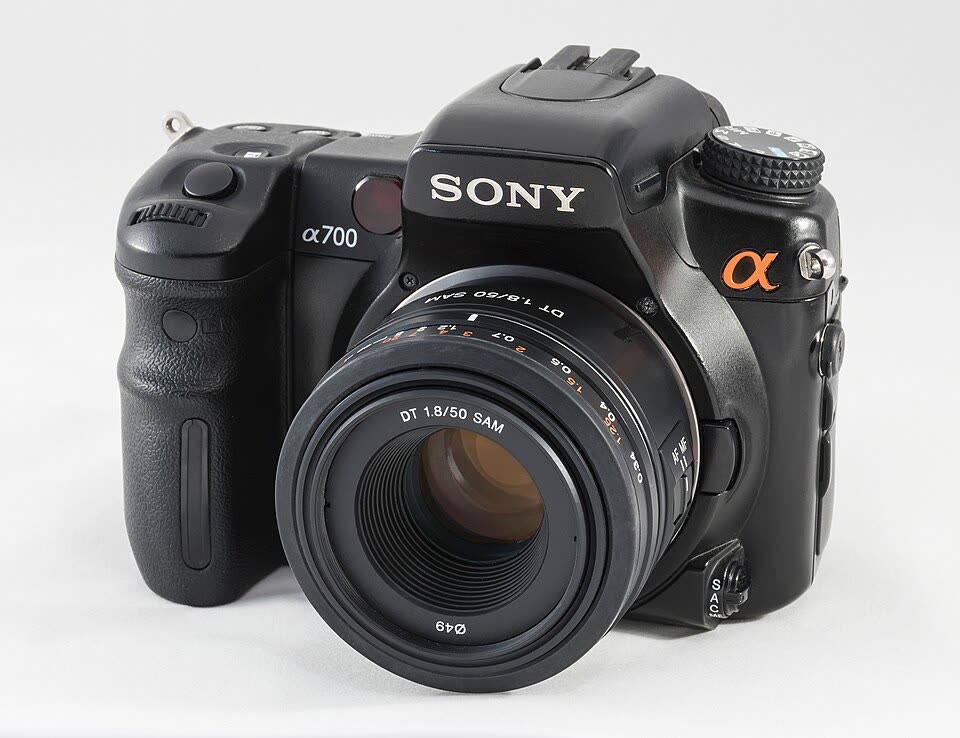
Photography records light on a sensor or film. Exposure balances aperture (depth of field), shutter speed (motion blur or freeze), and ISO (light sensitivity). The lens focuses light; focal length changes field of view. Composition guides where the eye goes—rule of thirds, leading lines, framing, and negative space are common tools, not rigid laws. Smartphones compute multi-frame HDR; dedicated cameras offer manual control and interchangeable lenses. Editing adjusts exposure, white balance, and crop after capture.[1][2]
How to learn
Start with the camera in your pocket or an entry-level interchangeable-lens body. Shoot in good light—near sunrise or sunset—and avoid harsh midday shadows for portraits. Learn to tap to focus and expose on phones; try aperture priority on cameras. Take many photos of one subject from different angles. Review what you keep and delete; notice patterns. Study photographers you admire and recreate simple setups. Backup files to cloud or disk regularly.[1]
References
- Wikipedia – Photography: https://en.wikipedia.org/wiki/Photography
- The Met – Photographs collection overview: https://www.metmuseum.org/about-the-met/collection-areas/photographs
Products you might need
As an Amazon Associate we earn from qualifying purchases.