Music
Piano
Last updated: 19 September 2025
How it works
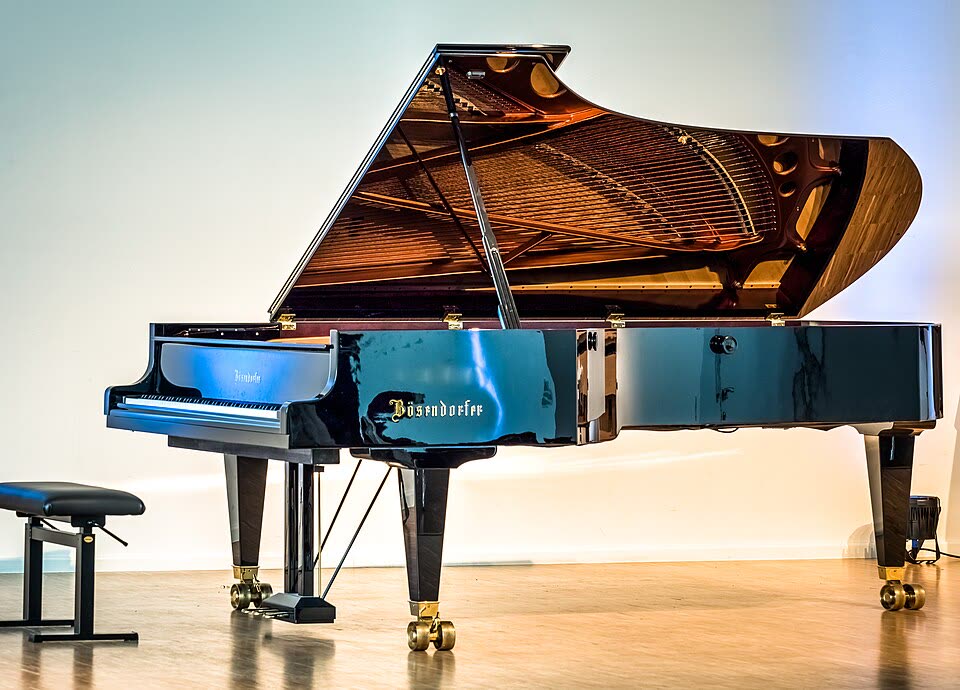
A piano keyboard maps pitch left to right from low to high. Pressing a key triggers a hammer that strikes strings (acoustic) or plays a sample (digital). Each key corresponds to a note; black keys are sharps and flats. Both hands often play melody and harmony together. Sheet music uses a grand staff (treble and bass clefs) to show pitch and rhythm. Pedals on acoustic pianos sustain or soften tone; many beginners start without heavy pedal use.[1][2]
How to learn
Sit with relaxed shoulders, curved fingers, and wrists level with the keys. Learn note names and find middle C. Practice five-finger patterns and simple songs hands separately before combining. Aim for 15–30 focused minutes most days. A digital piano with weighted keys is fine for beginners. A teacher or structured app helps with reading rhythm and avoiding tension. Celebrate small pieces finished rather than rushing difficulty.[1]
References
- Wikipedia – Piano: https://en.wikipedia.org/wiki/Piano
- BBC Culture – How to learn the piano: https://www.bbc.co.uk/culture/article/20181106-how-to-learn-the-piano-in-six-weeks
Products you might need
As an Amazon Associate we earn from qualifying purchases.