
Sports
Running
Last updated: 15 March 2025
How it works
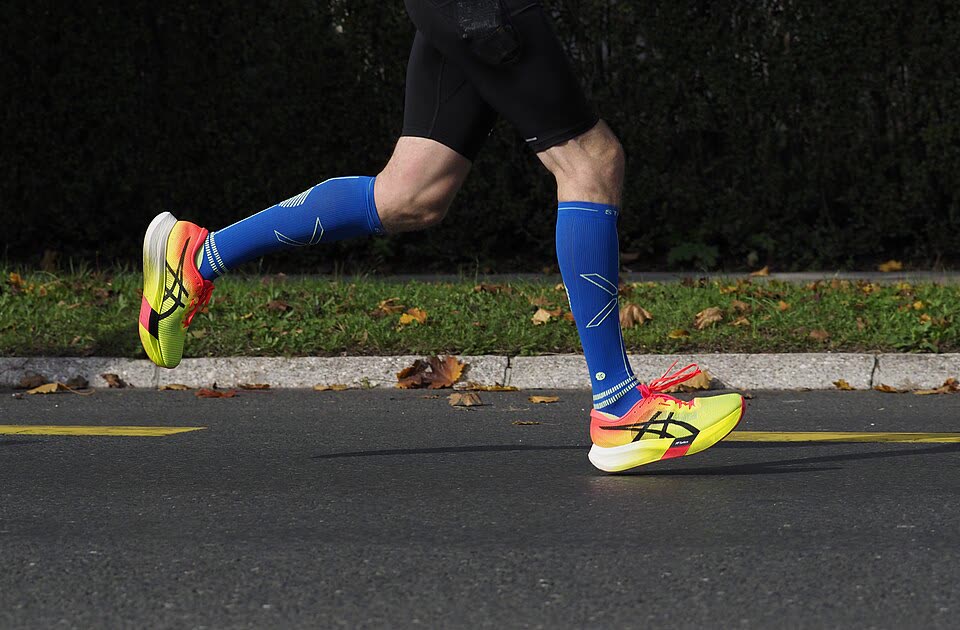
Running is a form of locomotion where both feet leave the ground during each stride. Efficient running involves a slight forward lean, midfoot or forefoot strike, quick cadence (around 170–180 steps per minute), and relaxed arms. Breathing typically syncs with foot strikes (e.g., 2:2 or 3:2 inhale-to-exhale ratio). Distance running relies on aerobic fitness; speed work develops anaerobic capacity. Proper shoes, surface, and recovery affect performance and injury risk. Consult a healthcare professional before starting if you have preexisting conditions.[1][2]
How to learn
Start with a run-walk approach: alternate short running intervals (1–2 minutes) with walking. Focus on easy effort—you should be able to hold a conversation. Gradually increase running time and reduce walking. Add one longer run per week to build endurance. Work on form: short strides, relaxed shoulders, eyes ahead. Include rest days and easy runs between harder efforts. Visit a running specialty store for proper shoe fitting. Consider a beginner plan (e.g., Couch to 5K) for structure. Aim for 2–3 runs per week.[1][2]
References
- Runner's World – How to Start Running: https://www.runnersworld.com/training/a62953139/how-to-start-running-program/
- Healthline – How to Start Running: https://www.healthline.com/health/how-to-start-running
Products you might need
As an Amazon Associate we earn from qualifying purchases.